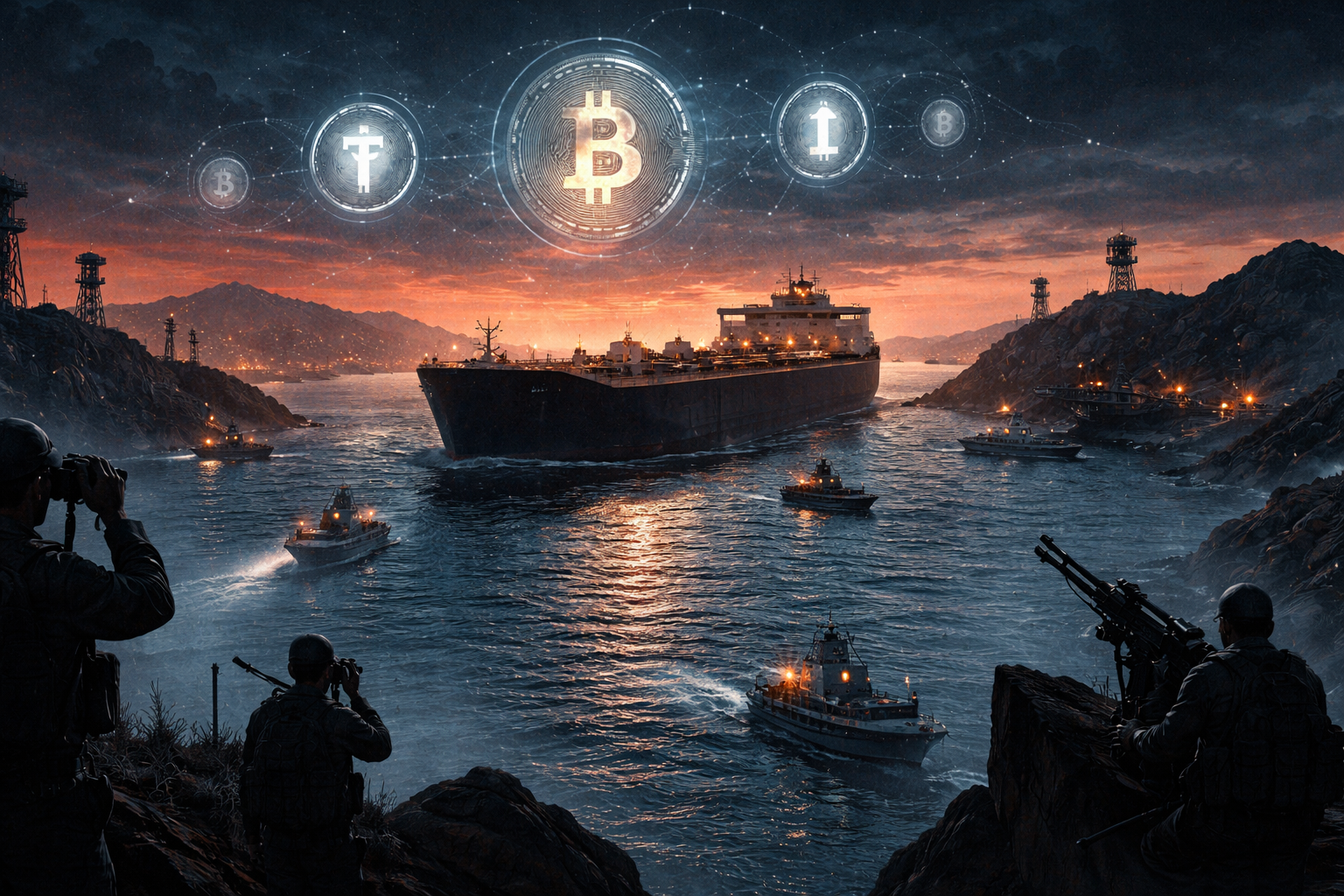
This is not a blockade. This is not a negotiating tactic. This is Iran announcing it intends to permanently monetize control of the world’s most critical energy chokepoint.
The Persian Gulf Strait Authority is now operational. Any vessel wishing to transit the Strait of Hormuz must submit detailed ownership, insurance, crew, and cargo information to Iranian authorities before paying a toll. Some ships have already paid up to $2 million per crossing. Official tariffs have not been published. The PGSA does not need to publish them. Iran needs compliance, not recognition. And compliance is already happening.
“We have established a new legal and security system in the Strait of Hormuz,” an Iranian official said. “From now on, any vessel wishing to pass through it must coordinate with us.”
That sentence just repriced the global economy.
🇮🇷 Iran is getting serious about charging ships to pass through the Strait of Hormuz.
The head of parliament’s national security committee just announced a new mechanism for managing maritime traffic in the strait is ready, with details coming “soon.”
If Iran starts collecting… https://t.co/3J6PIWqslC pic.twitter.com/IQmBDepezp
— Mario Nawfal (@MarioNawfal) May 16, 2026
What 20% of Global Oil Trade Just Got Hit With
The Strait of Hormuz carries approximately 20% of all global oil trade. Every barrel of oil from Saudi Arabia, the UAE, Kuwait, Iraq, and Qatar that reaches the world moves through a 21-mile wide gap between Iran and Oman. Iran has now placed a tollbooth in that gap and declared it permanent.
The implications are not theoretical. Oil stays above $100. Shipping insurance premiums stay elevated. Fertilizer prices stay high because fertilizer production depends on natural gas, and natural gas from the Gulf region transits Hormuz. Every commodity that moves through that chokepoint now has a permanent Iranian toll baked into its price. That is not a temporary supply shock. That is a structural cost floor embedded into the global economy.
The Washington Times reported that Iran’s move effectively challenges the entire framework of international maritime law. Iran has signed but never ratified UNCLOS, the convention that guarantees free transit through international straits. A $2 million toll applied selectively to vessels based on their country of origin violates Article 26 of UNCLOS directly. The British Foreign Secretary called it plainly: “Freedom of navigation means navigation must be free.”
Iran does not care about UNCLOS. Iran cares about revenue and leverage. The PGSA gives them both indefinitely.
What This Means for Inflation and the Fed
We wrote this week that April PPI came in at 6%, the hottest reading since December 2022. The primary driver was energy. Iran’s permanent toll system is why energy inflation does not resolve on its own timeline.
The Federal Reserve cannot cut rates into structural energy inflation. Kevin Warsh inherits a central bank boxed in by a geopolitical event that has no domestic policy solution. Rate cuts require inflation to fall. Inflation cannot fall while oil stays above $100. Oil stays above $100 while Iran controls the strait. The PGSA just made that last link in the chain permanent.
CME FedWatch now shows 44% probability of a rate hike by December. That number moves higher every week this structure holds. For Bitcoin, higher rates for longer is the headline headwind. But the story is more complicated than that.
The Bitcoin Thesis Cuts Both Ways
The standard read is that persistent inflation means persistent high rates which means Bitcoin stays capped below $82,000. That is the bearish case and it is real. We covered why the $82,000 level keeps rejecting and bond yields are a central part of that story.
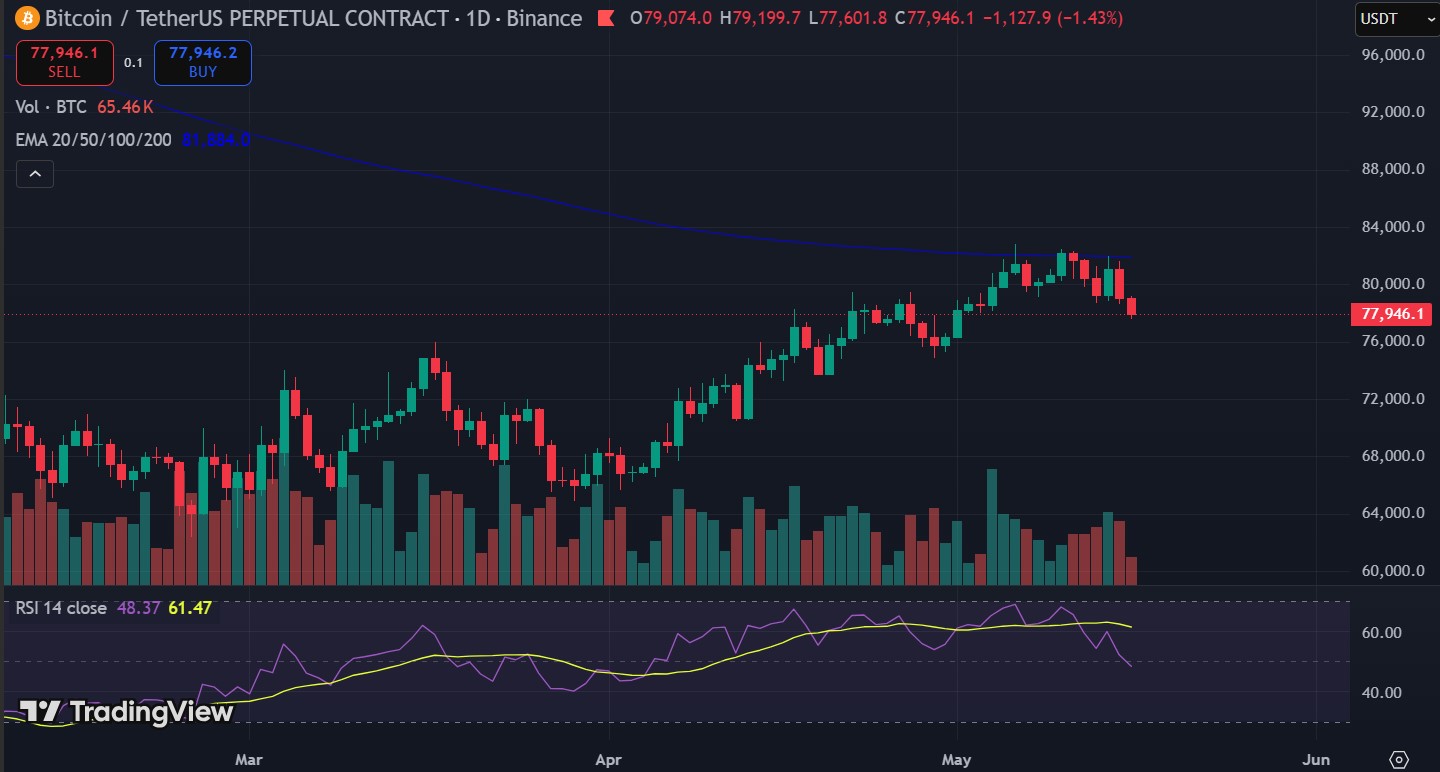
Bitcoin Failed $82,000 for the Third Time- Source: Tradingview
But there is a second thesis the bearish read ignores.
Iran is already accepting Chinese Yuan for some transits. Every week the PGSA operates, the incentive for oil importers to settle trades outside the dollar system grows slightly stronger. Bitcoin does not care about interest rates in a world where the dollar’s role as the global commodity settlement currency is structurally challenged. It cares about dollar credibility. A world where 20% of global oil trade pays a toll to a sanctioned state accepting Yuan for passage is a world where that credibility faces a test it has never faced before.
We first covered how geopolitical instability was turning commodity markets into speculative assets when potato CFDs spiked during the Iran war. The Hormuz toll system is that same dynamic institutionalized. It does not go away when the shooting stops.
The Secondary Sanctions Problem
US Treasury’s OFAC issued guidance warning that payments made to Iran for Hormuz passage could expose non-US firms to secondary sanctions. Every European shipping company, every Asian oil importer, every insurer underwriting a vessel paying the PGSA toll is now potentially exposed. Companies willing to risk it keep paying Iran. Companies that are not reroute around the Cape of Good Hope, adding weeks to transit times. Either path is inflationary. The PGSA wins either way.
What Happens Next
Washington and Tehran are still negotiating. Trump floated a joint US-Iran toll operation. That proposal went nowhere.
The market has priced the short-term oil shock. It has not priced the structural challenge to dollar-denominated commodity settlement or the precedent being set for every other nation sitting astride a critical chokepoint. Singapore and the UK both opposed the Iranian system publicly. Both happen to sit on the two busiest maritime straits in the world. That is not a coincidence.
The strait is open. Under Iran’s watch. Under Iran’s terms. Permanently.