
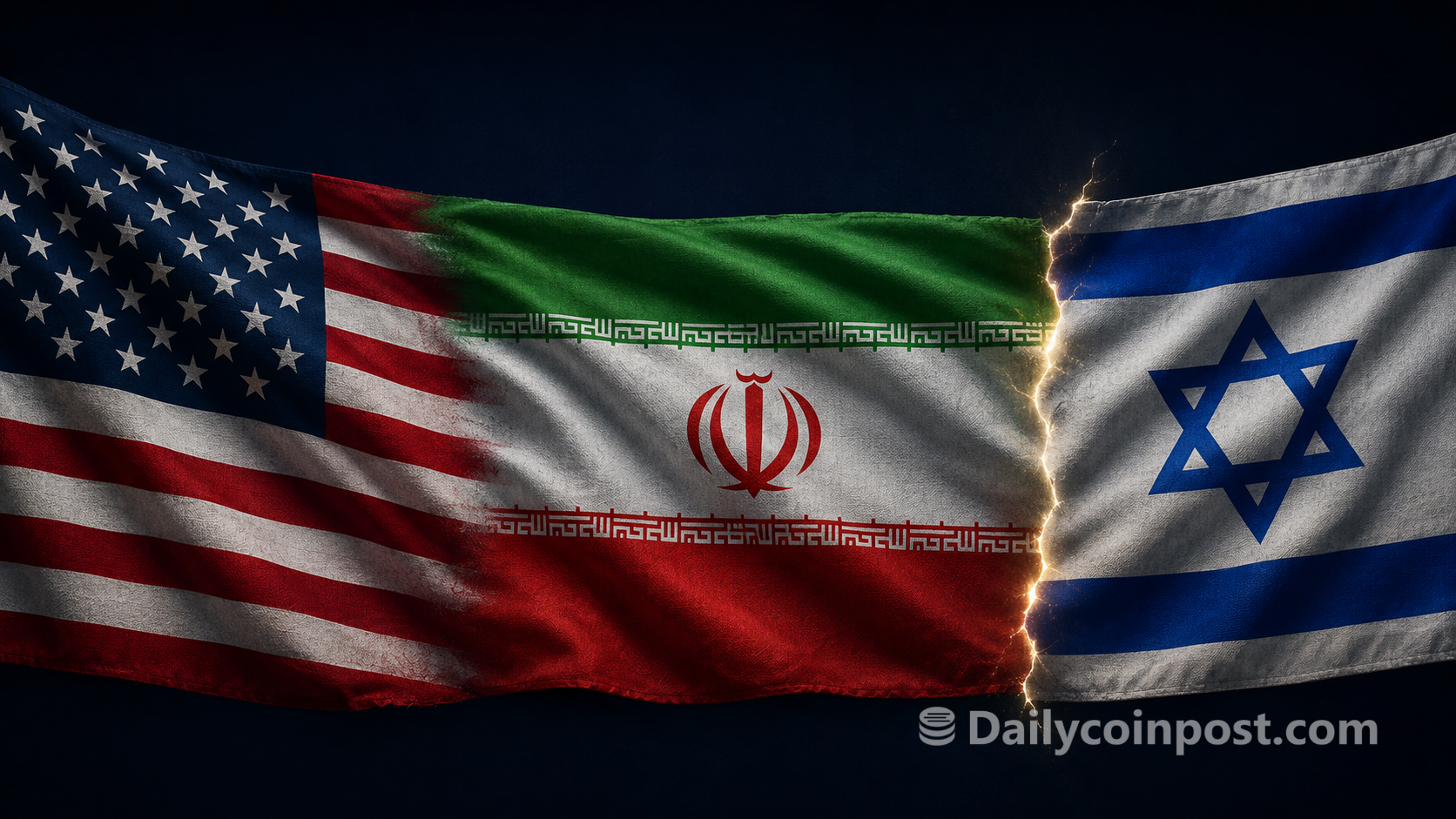
Iran’s Foreign Minister Abbas Araghchi posted this morning that mediation from Pakistan and Qatar had delivered real progress on the Lebanon front. Oil and petrochem exports waived. The blockade lifted. Some frozen assets released. A reconstruction and development plan launched for Iran.
Then he added the line that matters most: the Lebanon deconfliction cell is the “first real test” of the agreement.
We wrote yesterday that the US-Iran negotiating track and the Israel-Hezbollah fighting in Lebanon run on separate timelines, and that the second one keeps threatening the first. Three times now. Israel acts unilaterally against Hezbollah, Iran treats it as a violation of the deal’s spirit, and Washington scrambles to hold the broader agreement together while managing an ally it does not fully control. We called that structural gap the central fragility of the entire arrangement.
Iran’s own Foreign Minister just called it the first real test. Same fragility, said by the person with the most reason to either downplay it or weaponize it, and he did neither. He named it plainly.
Tireless Pakistani and Qatari mediation has delivered major progress to end Lebanon War. Oil and petrochem exports are waived, blockade lifted, some frozen assets released, and major reconstruction & development plan launched for Iran.
1st real test: Lebanon deconfliction cell https://t.co/q0okD2qwSO
— Seyed Abbas Araghchi (@araghchi) June 22, 2026
What Is Actually New Here
The terms Araghchi listed go beyond what got covered when the memorandum was signed on June 17. Oil and petrochemical export waivers mean Iran’s energy sector gets a path back to international markets, not just the toll relief on Hormuz transit that we broke down in detail two weeks ago. The blockade lift is a separate commitment from the strait reopening, since the strait being passable and a formal blockade being lifted are not the same legal or military state. Frozen assets being released starts moving real capital, not just sentiment. The reconstruction plan is the longest-dated commitment of the four, and the one most dependent on the other three actually holding.
None of these were guaranteed by the June 17 signature alone. This is the first time Iran has confirmed, in its own Foreign Minister’s words, that concrete economic terms are now moving rather than just being negotiated.
Why It Matters More Coming From Him
When outside analysts flag Lebanon as the deal’s weak point, that is a forecast. When the Iranian government’s chief diplomat names the exact same mechanism as the agreement’s first real test, that is the party with the most to lose from failure publicly acknowledging where failure is most likely to come from.
That is not a small thing. Governments rarely name their own deal’s biggest vulnerability unless they are trying to do one of two things: lower expectations in advance, or put public pressure on the other side to actually deliver the deconfliction mechanism they promised. Either read points to the same practical takeaway. Lebanon is the tripwire. Everyone now watching this deal, including the people running it, knows exactly where to look.
What This Means for Bitcoin
We noted yesterday that Bitcoin’s reaction to the third Lebanon flare-up was smaller than its reaction to the first two. Araghchi naming the Lebanon cell as the explicit test case should accelerate that trend, not reverse it.
Markets price the path, not a single destination. A market that has been told exactly where the next stress point will likely emerge does not get surprised by that stress point the same way it gets surprised by something nobody flagged. The first Lebanon episode in April caught markets off guard. The second one, in early June, less so. This third one barely moved Bitcoin at all. Now that the single tripwire has a name and an Iranian Foreign Minister has put his own credibility behind identifying it, the next incident there is the most telegraphed risk in this entire conflict.
Telegraphed risk gets priced in advance. That is not a guess. That is the same mechanism we have been tracking in oil prices for the past week, just running on the geopolitical side of the trade instead of the commodity side.
Bitcoin held near $64,200 heading into Monday’s open. The Fed’s hawkish hold from June 17 is still the harder ceiling on any rally than Lebanon is. But for the first time in this entire war, the market knows precisely which single mechanism could blow up the deal again, straight from the mouth of the man whose government would have to walk away from it.
That kind of clarity is rare in this conflict. It is worth noticing when it shows up.