The Federal Reserve held rates at 3.75% to 4.00% on Wednesday. Two officials wanted a hike.
Markets barely moved because a hold was priced in. Price action carried no information. The statement did.
Six weeks ago all 12 voters backed a hike, the Fed’s first in over three years. On Wednesday Governor Lisa Cook and Cleveland Fed President Beth Hammack dissented in favor of another quarter point, and the vote finished 10-2. Consumer prices rose 3.7% in the year to September. The target is 2%.
The Line the Fed Deleted
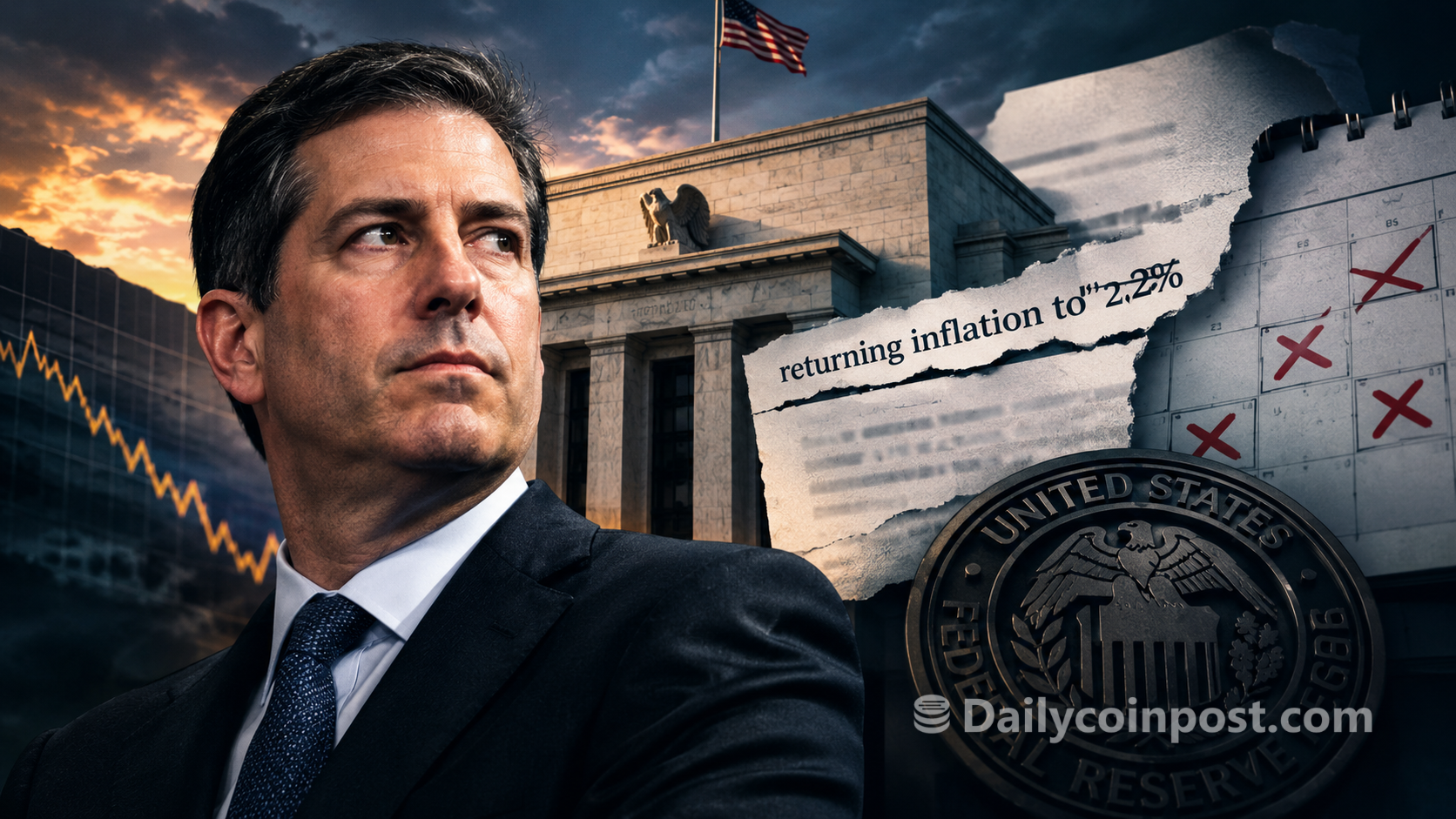
In September the Fed said its rate move “will support a timelier return” of inflation to 2%. On Wednesday that language was gone. The statement now says “the accumulation of more information” will shape what comes next.
The Fed has not said the hike failed. It has stopped saying the hike will work.
Everything around that line leans hawkish. Growth is now “strong,” up from “solid.” Warsh said the first-half growth estimate rose to 2.4% from 1.8%, and that inflation has topped target for nearly six years. Strong growth, sticky prices and no stated path back to 2%. That is how a Fed sounds when a second hike is on the table.
In April we wrote that CPI had brought rate hikes back into the conversation. By September the Fed had delivered one. On Wednesday the minority wanted a second.
Warsh Wants Fewer Rate Meetings
Warsh also changed the calendar. Starting in 2027, one of the Fed’s eight meetings will skip the rate vote. No policy statement. No decision. A session reserved for long-term strategy. That leaves seven rate-setting meetings in 2027, with six of eight expected in 2028. The Fed has held eight meetings a year since 1981.
Warsh argued the schedule is “more than some administrative detail.” He is right.
A calendar decides how often a central bank can act and how often a market gets repriced. With a December hike under debate, fewer decision days put more weight on each vote. Futures gave a December 8 to 9 hike 84% odds before Wednesday’s decision.
The counterargument is fair. Strategy meetings may still move markets without a vote, and Warsh said he does not expect policy decisions from them. Markets do not need a vote to reprice.
The Dissent Nobody Is Connecting
Cook is the governor the White House has spent more than a year trying to remove. A possible proceeding against her is scheduled for November 5, two days after the midterms. On Wednesday she voted for a rate hike.
We wrote earlier this year that Trump’s push for cuts was the reason he could not get them. Markets priced the cuts before Warsh ever held a meeting, and inflation did the rest. Now the chair Trump picked has hiked, and the governor Trump wants gone voted to hike again.
Warsh told reporters politics played no role in the decision, Reuters reported.
What It Means for Bitcoin
Bitcoin touched $81,185 and settled near $80,950. Gold slipped 0.1% to about $4,036. The quiet tells you the hold was expected. It tells you nothing about the deleted line or the calendar.
In comments sent to DailyCoinPost, Jatin Wahal, Head of Treasury at Xapo Bank, said Bitcoin has become “increasingly sensitive” to rate expectations and stays exposed to swings in risk appetite while Treasury yields remain elevated. His second point runs the other way. Xapo’s own data shows “consistent accumulation despite volatility” among long-term holders.
Both can be true. Bitcoin can trade like a rate-sensitive asset this week while long-term holders keep buying. One firm’s data is not the whole market. But Santiment counted a record 20,338 wallets holding 10 to 10,000 BTC earlier this month, which points the same way.
Thursday brings PCE, the Fed’s preferred inflation gauge. December 8 to 9 brings the next vote. In between sits a Fed that has stopped promising an outcome and announced it will hold fewer votes.