

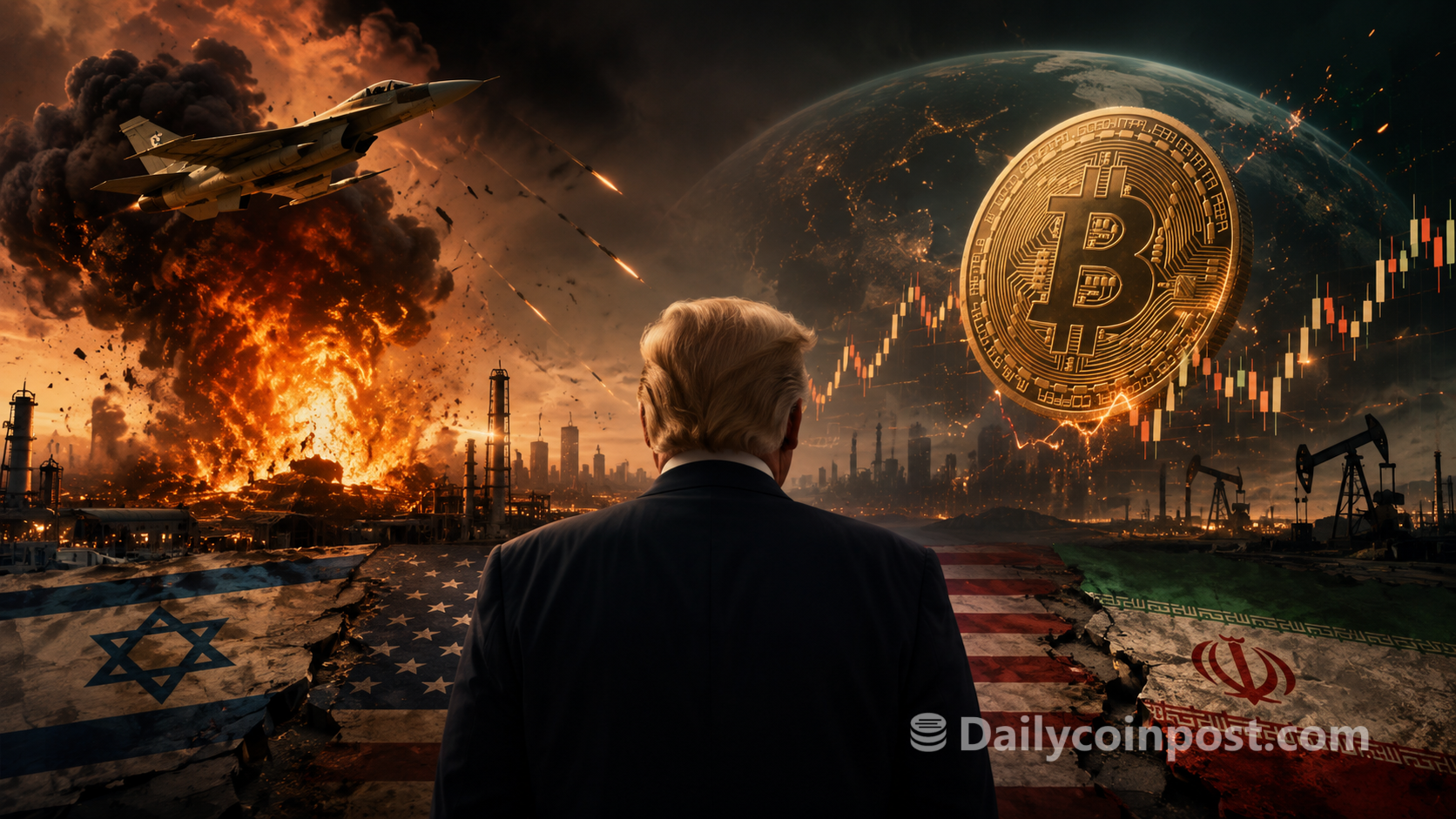
🔄 Updated June 8, 2026 BREAKING: Bitcoin erase all losses and turn green after President Trump says Israel has “no choice” but to accept an Iran deal.
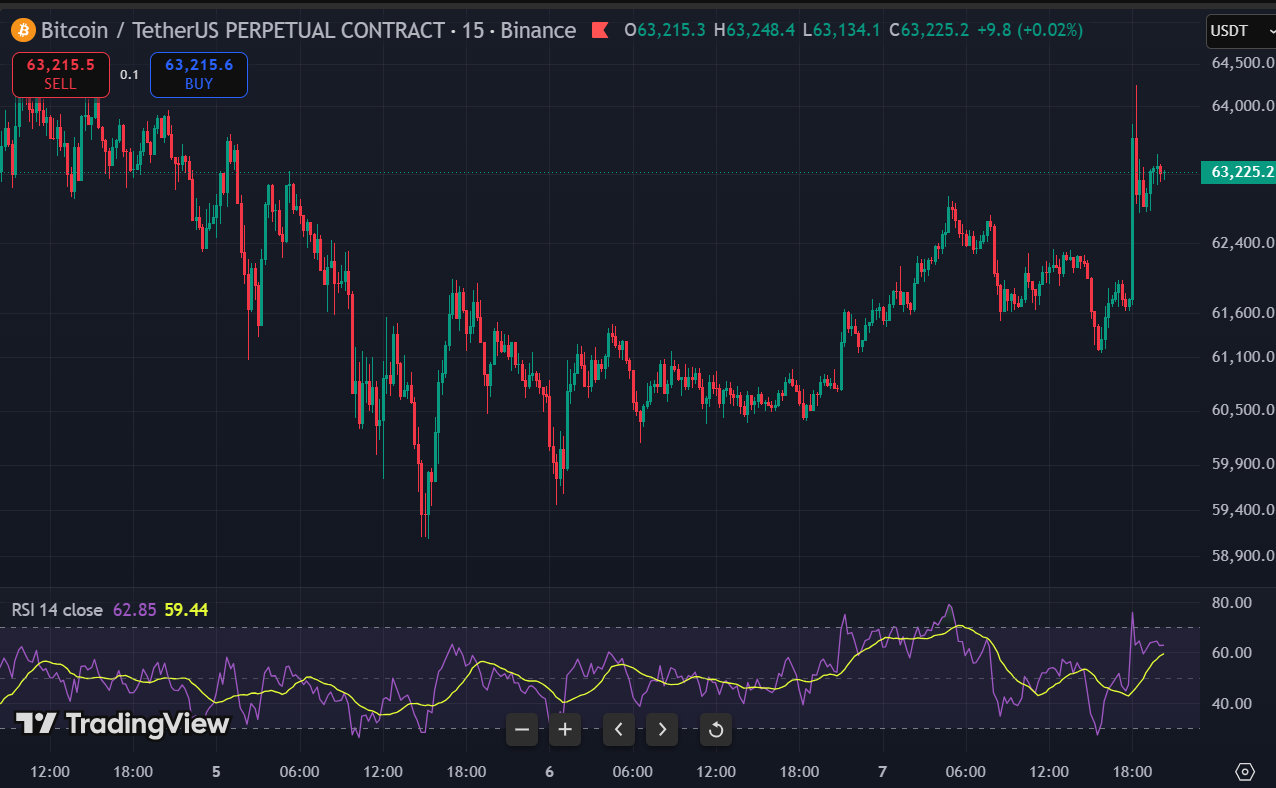
Bitcoin price surge after President Trump says Israel has “no choice” but to accept an Iran deal- Source: Tradingview
On Friday, Donald Trump said a permanent peace deal with Iran was almost complete and would be announced at the start of the new business week.
On Sunday evening, Israel struck south Beirut without coordinating with the United States.
Iran retaliated with ballistic missiles. Israel said it would strike back. Trump said he was not happy. Bitcoin dropped.
The deal that was supposed to be announced Monday morning just got blown up by the US’s closest ally 48 hours before signing. That is not a negotiating setback. That is a structural breakdown in the coalition that was supposed to deliver the deal.
What Actually Happened Tonight
The sequence matters. Here it is in order.
Israel hit south Beirut, killing two people and injuring at least 20. Benjamin Netanyahu said the targets were Hezbollah personnel and structures linked to Iran. The strikes were not coordinated with Washington.
Iran’s IRGC retaliated with what it called warning strikes, urging Israel to stop or face a broader response. A third wave of Iranian ballistic missiles followed, per Reuters.
Trump was briefed and went public immediately. He said he was not happy with Israel and that the strikes were not coordinated with the US, per Fox News. He told Iran to get back to the table and make a deal. Then, per Axios, he said he was going to call Netanyahu directly and tell him not to strike Iran back.
The President of the United States is now trying to talk his own ally out of retaliating against a country he was supposed to announce a peace deal with tomorrow.
That sentence should be read slowly.
BREAKING: President Trump says he is “not happy” about Israel’s earlier strikes on Beirut, Lebanon, and that the attacks were not coordinated with the US, per Fox News.
Trump tells Iran: “You’ve shot your missiles, that’s enough. Get back to the table and make a deal.”
— The Kobeissi Letter (@KobeissiLetter) June 7, 2026
The Deal That Was Almost Announced
Trump’s Friday statement was specific. A permanent peace deal. Almost complete. Announcement expected at the start of the new business week.
Markets priced it. Crypto priced it. The Polymarket odds on a US-Iran peace deal by June 30 were reflecting growing confidence. The ceasefire premium that had been suppressing Bitcoin’s recovery was starting to lift.
Then Netanyahu made a unilateral decision over the weekend that put Iran back on a war footing, forced Iran to respond militarily to avoid looking weak domestically, and put Trump in the position of publicly rebuking his closest regional ally while simultaneously trying to close a deal with that ally’s enemy.
The peace deal is not dead. But the path to Monday’s announcement is.
Why This Is Different From Every Previous Escalation
Since February 28 when Operation Epic Fury began, Bitcoin has followed a consistent pattern through every escalation. Escalation hits. Bitcoin drops. Ceasefire signal appears. Bitcoin bounces. Each ceiling comes in lower than the last.
This escalation is structurally different for one reason. The party that broke the ceasefire momentum was not Iran. It was Israel. And Israel acted without US coordination at the exact moment the US was 48 hours from a deal announcement.
That means the US does not control the timeline of this conflict. Trump can negotiate with Iran. He cannot control when Netanyahu decides to strike Beirut. The deal framework has a variable that no amount of Trump’s negotiating ability can fix. America’s own ally is making independent military decisions that directly undermine American diplomatic objectives.
Iran’s leadership now has a domestic political problem. They fired warning shots in response to Israeli strikes. Israel said it will retaliate. If Iran does not respond to that retaliation it looks weak internally. If it does respond the conflict escalates beyond the ceasefire framework entirely.
Trump calling Netanyahu to tell him not to retaliate is the most extraordinary detail in tonight’s news. The United States is mediating between two other countries’ military responses while trying to close a peace deal with one of them. The complexity of that position makes Monday’s announcement essentially impossible.
What Bitcoin Is Pricing
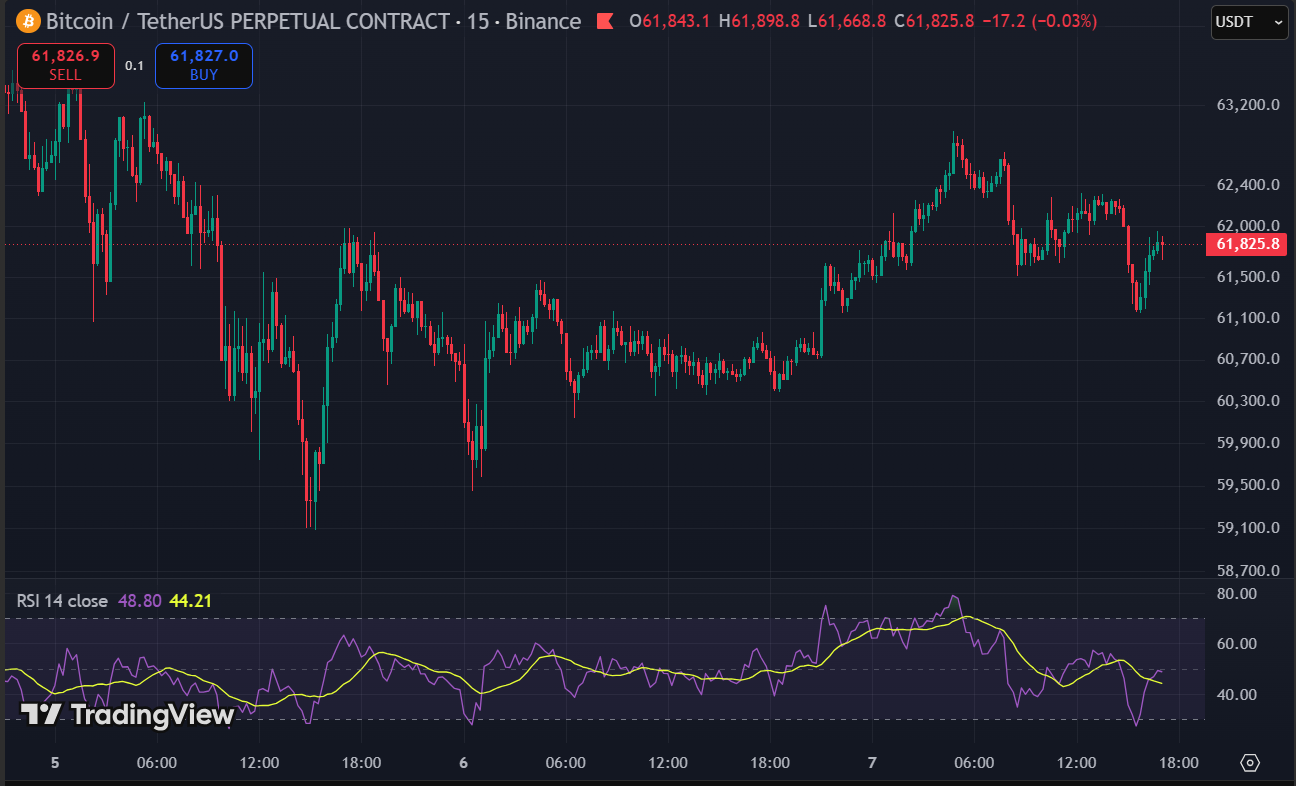
Bitcoin Price – Source: Tradingview
Bitcoin is at $61,825 as this is written, down from the weekend levels. The move is not panic. It is repricing.
Markets had been pricing a meaningful probability of a deal announcement Monday morning. That probability just collapsed. The ceasefire premium that was starting to return to risk assets is coming back out.
The RSI on the daily chart was already at 15.11, the lowest reading since the COVID crash in 2020. Iran has been collecting Bitcoin tolls at the Strait of Hormuz since the war began, making any deal resolution directly tied to Bitcoin’s recovery path. A market that was already technically oversold is now absorbing a fresh geopolitical shock that directly eliminates the single most bullish catalyst available.
Watch two things overnight. Whether Israel retaliates despite Trump’s call to Netanyahu. And whether Iran’s response to that retaliation crosses the threshold from warning strikes into sustained military engagement.
If Israel stands down and both sides return to the table, Bitcoin has a credible path back to $65,000 to $67,000 on deal optimism. If Israel retaliates and Iran responds in kind, the deal is off indefinitely and Bitcoin tests $58,000 to $59,000 where the next structural support sits.
The Honest Summary
Trump was 48 hours from announcing the deal that would have ended the war driving oil above $100, keeping the Fed frozen, and suppressing Bitcoin’s recovery since February.
Israel struck Beirut without telling him.
The gap between what was supposed to happen Monday morning and what is actually happening Sunday night is the entire Bitcoin story right now. The market is not selling the war. It is selling the realization that the war’s end was closer than anyone thought and then got pulled away by a party the United States cannot fully control.
That is a different kind of fear than an escalation. It is the fear of a deal that almost happened.