

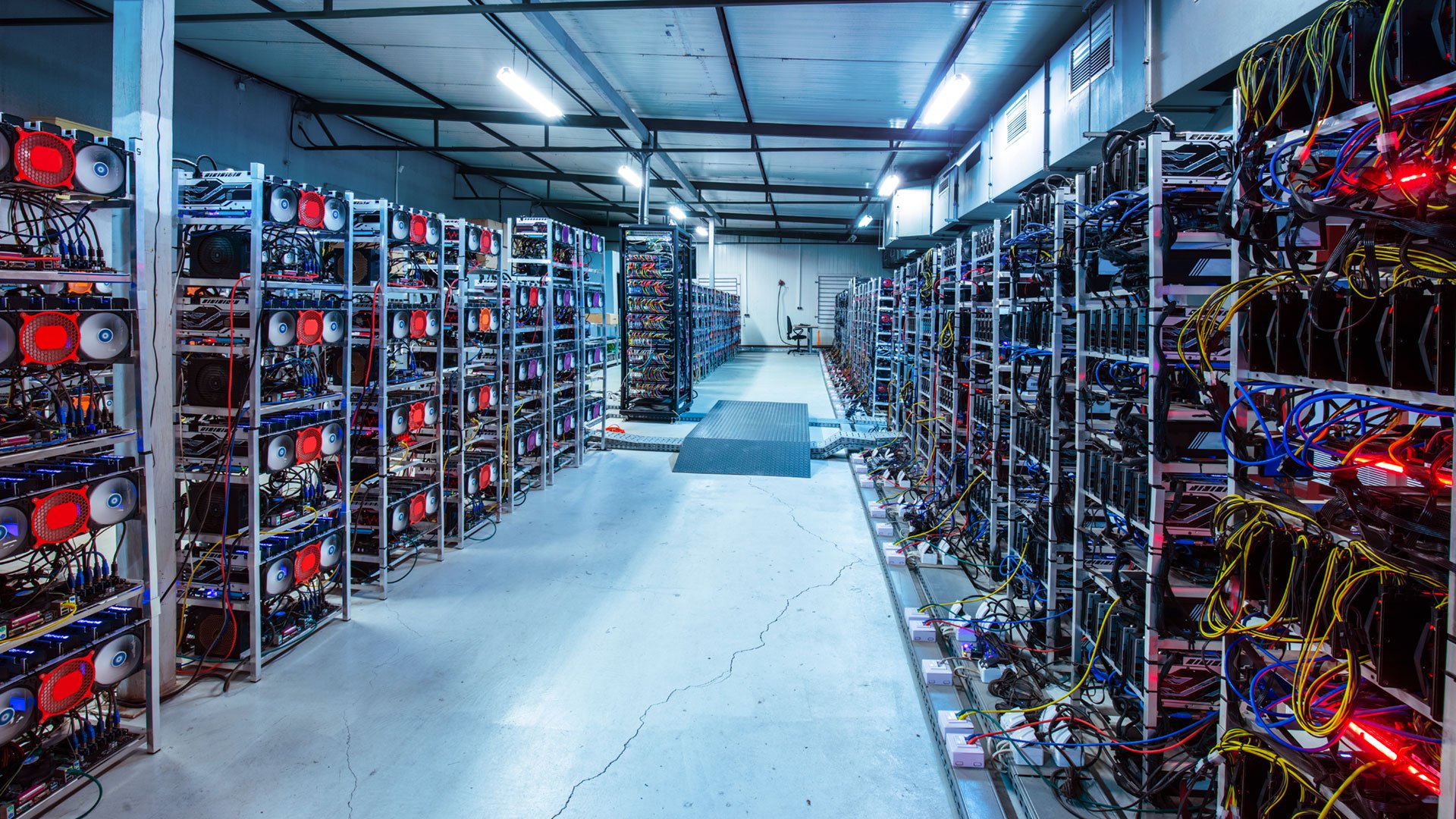
In June 2024, Bitcoin miners started selling heavily. Revenues had just been cut in half by the April halving. Transaction fees collapsed. The BTC transfers from mining pools to exchanges hit a two-month high and analysts flagged it as a warning sign.
That was twenty-two months ago.
In March 2026, miners are still selling. The revenues are still depressed. The pressure has not eased. If anything, the math has gotten worse. What changed is not the selling. What changed is what miners are doing with the money they raise and where they are sending it.
What Happened in 2024
The April 2024 halving cut the block reward from 6.25 BTC to 3.125 BTC overnight. Miners who had built their operations around the higher reward suddenly faced identical costs with half the revenue. Electricity bills, hardware debt, facility leases, none of it adjusted with the reward.
According to CryptoQuant’s weekly report, the amount of BTC transferred from miners to exchanges reached a two-month high, driven by a drop in earnings due to lower transaction fees. (CryptoQuant via Unchained, June 2024) BTC transfers from the btc.com mining pool to Binance surged, peaking at over 3,000 BTC per hour on June 9, the highest in two months. Miners sold at least 1,200 BTC via over-the-counter desks on June 10, the highest daily OTC volume since late March. Marathon Digital, one of the largest publicly listed miners, sold 1,400 BTC in June representing 8% of its total holdings, up from 390 BTC sold the month before.
Daily miner revenues had dropped to around $35 million, down 55% from the $78 million peak in March 2024. Transaction fees, which had briefly spiked during the Runes protocol launch in April, collapsed back to around 65 BTC per day.
CryptoQuant analysts noted at the time that periods of low miner revenues combined with high hashrate had historically signaled potential price bottoms. Bitcoin was trading around $65,000. The observation turned out to be correct. Prices recovered through the rest of 2024 and into 2025.
What Happened Next
Bitcoin ran to $126,000 by October 2025. Mining revenues recovered. The industry expanded aggressively. New hardware came online. Global hashrate hit an all-time high above 1 zettahash per second.
Then the price reversed.
Bitcoin fell roughly 40% from its October peak. By late 2025, hashprice had collapsed from approximately $55 per petahash per second in Q3 2025 to around $35 per petahash per second, a decline of 30 to 35% in a matter of months. TheMinerMag described it as a structural low. According to Glassnode and MacroMicro data, for every Bitcoin mined in early 2026, miners were generating a net loss of approximately $20,000 at prevailing prices and electricity costs. (CoinTelegraph, December 2025)
The hash ribbon indicator, which tracks two moving averages of Bitcoin hashrate, flashed a miner capitulation signal in late 2025. The 30-day hashrate moving average crossed below the 60-day average, a signal that has historically coincided with widespread rig shutdowns and forced selling. Historically, such crossovers have preceded price bottoms.
Where Things Stand in March 2026
The current Bitcoin hashrate sits at approximately 822 EH/s with a mining difficulty of 145.04 trillion. A difficulty adjustment on March 20 is set to bring that down to an estimated 139.24 trillion, a 4% reduction that provides modest relief to surviving miners.
Miner selling has begun to ease from its February peak. On-chain data shows that miner net selling hit a high of negative 4,718 BTC around February 8, but had declined to negative 837 BTC by early March, an 83% reduction in net selling pressure. (BeInCrypto, March 2026)
JPMorgan’s January 2026 mining sector update noted early signs of recovery. The 14 US-listed miners it tracks added approximately $13 billion in combined market capitalization in the first two weeks of January as hashrate declined and profitability improved marginally. Gross mining margins improved by roughly 300 basis points from December to approximately 47%. (CoinDesk, January 2026)
The caveat is significant. Revenue per exahash remains well below year-ago levels. Bitcoin is still trading below the average production cost for most miners. The difficulty adjustment on March 20 helps at the margins but does not solve the structural problem.
The Part Nobody Was Expecting
Here is what changed between June 2024 and March 2026 that was not in any analyst forecast.
Miners stopped waiting for Bitcoin to save them and started selling electricity to AI.
MARA Holdings, the same company that sold 1,400 BTC in June 2024 and was known for its strict policy of never selling its Bitcoin holdings, quietly changed its treasury policy in its March 2026 10-K filing. The company authorized all 53,822 Bitcoin in its treasury for potential sale, a holding worth nearly $4 billion at the time. It simultaneously signed a joint venture agreement with Starwood Capital to deliver 1 gigawatt of AI data center capacity.
Core Scientific, which had previously gone bankrupt and undergone restructuring, sold approximately 1,900 Bitcoin in January 2026, raising $175 million. The company has been converting its Texas mining farms into high-density AI hosting facilities and plans to allocate its entire 1.3 gigawatt power capacity to AI computing.
Riot Platforms, Hut 8, TeraWulf, and IREN have all made similar moves at varying scales. The pattern is consistent: miners with access to cheap power and existing high-density compute infrastructure are repurposing that infrastructure for GPU workloads tied to artificial intelligence and high-performance computing. Mining becomes a secondary activity, a flexible load that runs when electricity prices are low and AI demand is not filling the capacity.
The economics explain the pivot. AI data center operators pay predictably for compute capacity. Bitcoin mining revenue fluctuates with price, difficulty, and transaction fees in ways that make forward planning nearly impossible. For an operation carrying significant hardware debt and locked into long-term power purchase agreements, a predictable AI revenue stream is worth more than exposure to Bitcoin’s volatility.
What the Data Suggests
VanEck’s research offers the most useful historical context for the current situation. The firm found that when Bitcoin’s 90-day hashrate growth has been negative, Bitcoin has delivered positive 180-day forward returns 77% of the time. Periods of miner capitulation have historically placed the market closer to cyclical bottoms than tops. VanEck estimates that buying Bitcoin during sustained hashrate corrections has improved 180-day forward returns by roughly 2,400 basis points compared to random entry points. (CoinDesk, December 2025)
The mechanism is straightforward. As higher-cost miners exit, difficulty adjustments ease. Easier difficulty improves profitability for surviving miners. Improved profitability reduces forced selling. Reduced selling pressure removes a consistent headwind from Bitcoin’s price.
The miners who survive the current squeeze will be operating in a structurally different environment once conditions improve. Those with AI revenue diversification, efficient hardware, and low electricity costs are positioned to weather whatever comes next. Those without those advantages are either already offline or selling assets to stay alive long enough to find out.
The selling that started in June 2024 has not stopped. What changed is who is still standing and what they are selling it for.