


Something shifted in the market’s behavior this month, and most analysts are still explaining it with last cycle’s vocabulary.
As tensions escalated between Israel and Iran, and as the broader Middle East conflict entered a phase that rattled institutional traders, a familiar pattern played out across financial markets. Equities wobbled. The dollar strengthened briefly, then gave back gains. Oil spiked. And Bitcoin climbed.
That last part used to be unusual. For most of Bitcoin’s recent history, a geopolitical shock meant a risk-off rotation, investors fleeing to cash, treasuries, and gold while dumping anything that looked speculative. Bitcoin, lumped in with tech stocks and leveraged bets, typically sold off alongside the Nasdaq. The correlation was embarrassingly consistent.
It is no longer consistent.
The Numbers That Changed the Conversation
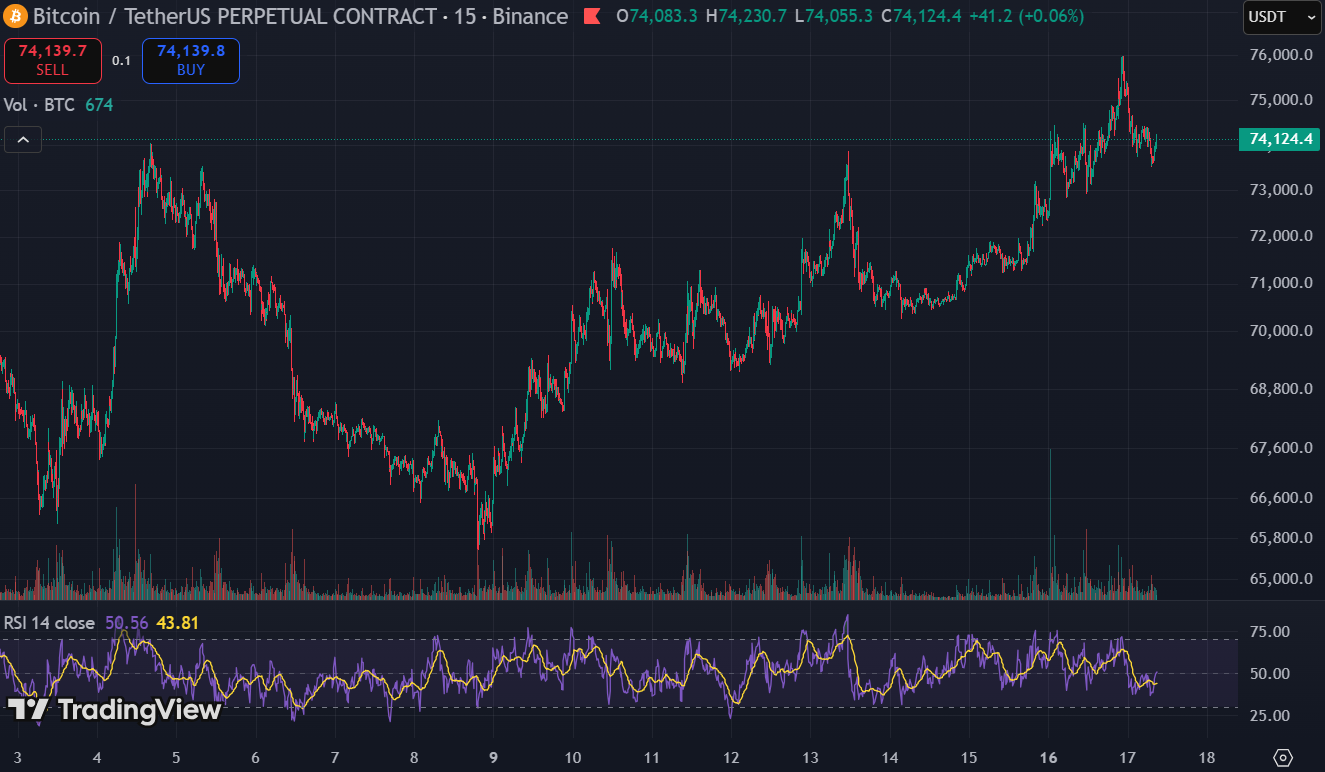
Over the past several weeks, as geopolitical risk premiums rose across traditional markets, Bitcoin has decoupled from equities in a way that is difficult to dismiss as noise.
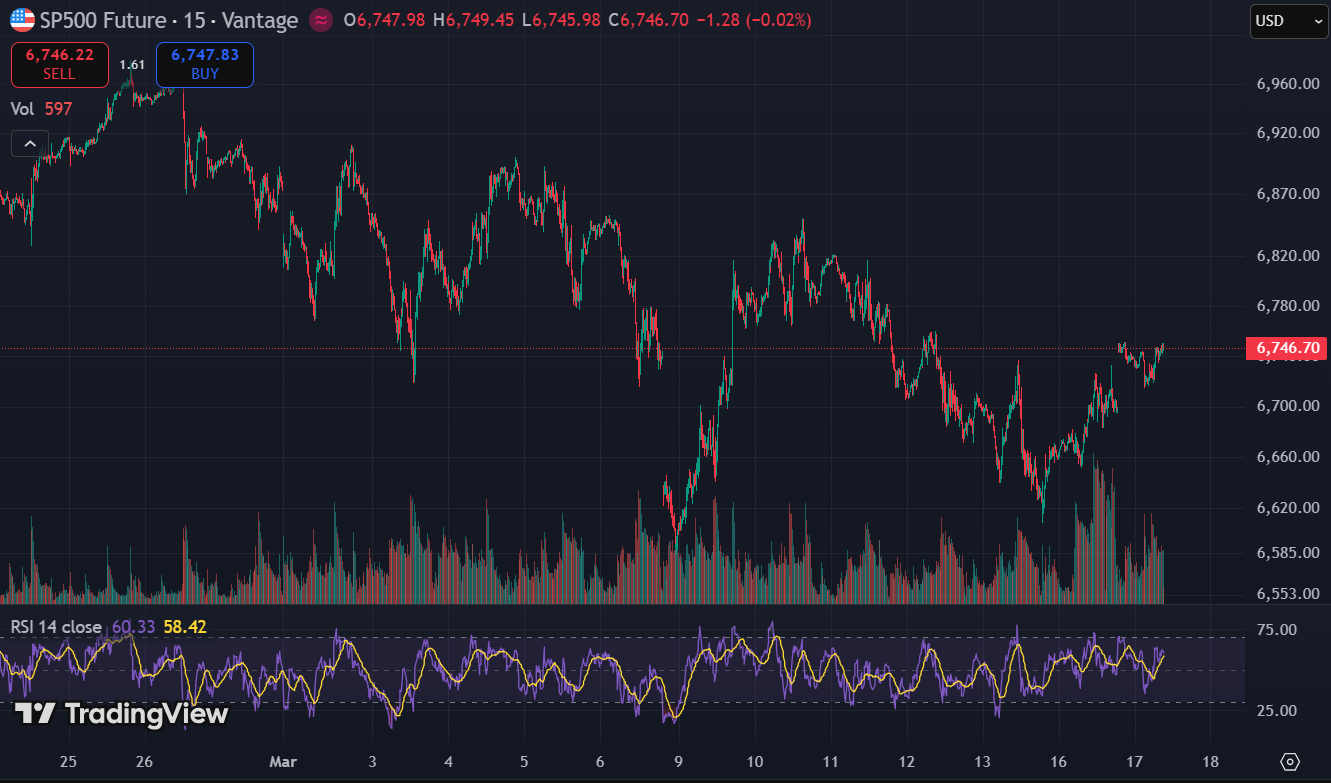
While the S&P 500 has traded with visible uncertainty, grinding sideways, selling off on escalation headlines, recovering partially on diplomatic signals, Bitcoin has moved in the opposite direction. The asset that once tracked tech sentiment almost tick-for-tick has been behaving like something else. Something closer to gold.
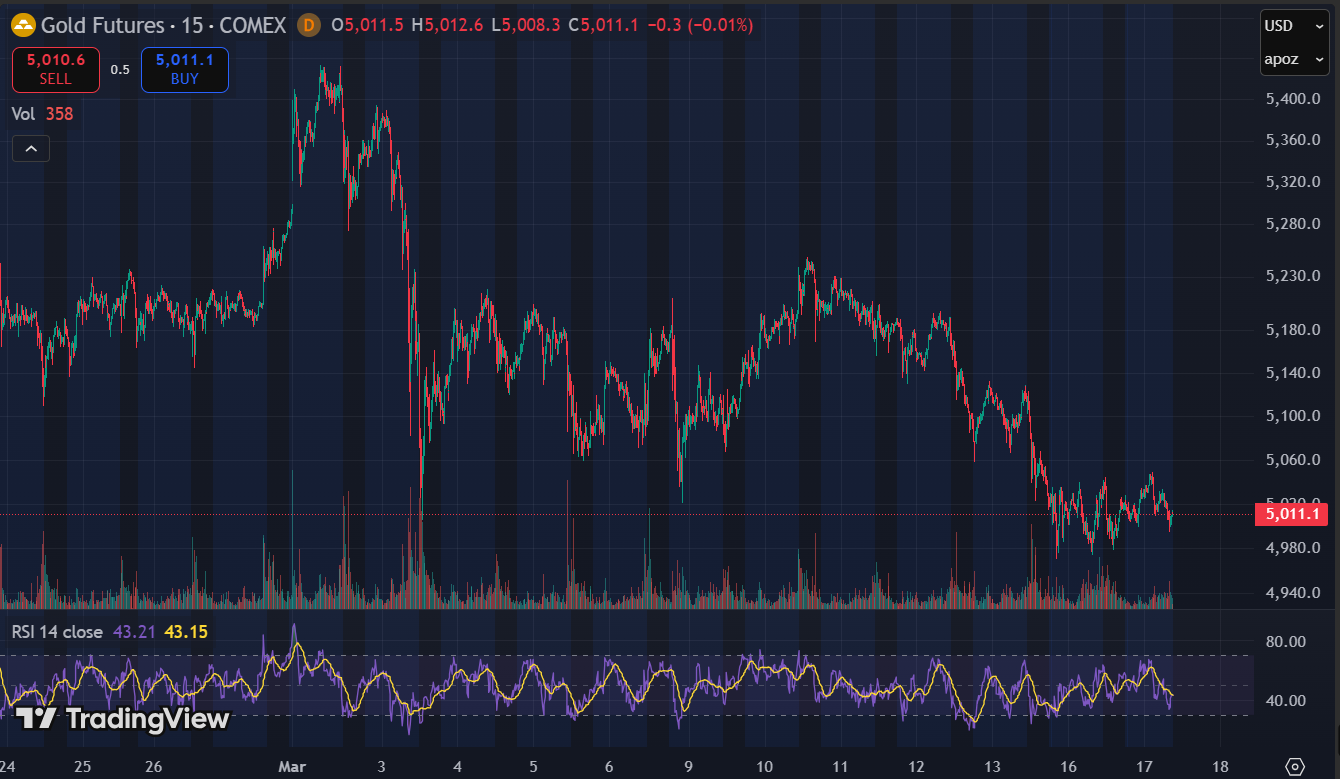
Gold itself has continued its own run, touching new all-time highs as institutional money searches for stores of value outside the reach of central bank policy. Bitcoin has moved with it. Not perfectly. Not on every day. But directionally, the relationship is there, and it marks a meaningful departure from the risk-asset framing that dominated the 2020-2022 cycle.
The correlation between Bitcoin and the S&P 500 on a 30-day rolling basis has dropped sharply from levels above 0.7 essentially lockstep toward readings closer to 0.2. Meanwhile, the Bitcoin-gold correlation has climbed into positive territory and is holding. These are not definitive proof of a regime change. They are a signal worth taking seriously.
Why This Moment Is Different
The Iran conflict is not the cause of Bitcoin’s narrative shift. It is the stress test that revealed it.
The cause is structural and has been building for two years. Since the approval of spot Bitcoin ETFs in the United States, the composition of Bitcoin’s holder base has changed. Institutional allocation, sovereign wealth funds, hedge funds, corporate treasuries, pension allocations, has increased substantially. These are not traders chasing momentum. Many of them allocated to Bitcoin for the same reason they allocate to gold: as a non-sovereign store of value with a fixed supply that no government can inflate away.
When that type of investor faces geopolitical stress, they do not sell Bitcoin. They buy it. The same logic that drives gold demand during conflict, hard asset, no counterparty risk, no issuer to default, applies to Bitcoin in their framework. And increasingly, their framework is setting the marginal price.
There is also the supply reality. With the 2024 halving now twelve months behind us and the block reward sitting at 3.125 BTC, newly mined supply entering the market has been cut in half. ETF inflows have, on multiple days, exceeded the total daily mined supply by a factor of several times. When institutional demand meets structurally constrained supply during a risk-off environment, the old correlation breaks down.
The Psychology of the Flip
Narrative shifts in financial markets rarely happen cleanly. They accumulate, then suddenly everyone is talking as if the new framing was always obvious.
Bitcoin has spent the last decade fighting the “speculative asset” label. It was volatile. It had no yield. It had no backing. It crashed 80% multiple times. Every legitimate criticism of its store-of-value thesis rested on one underlying assumption: that Bitcoin would always behave like a risk asset because that is what markets had decided it was.
Markets change their minds.
Gold spent decades being treated as a relic. In the 1990s, central banks were selling it. The narrative was that paper money and sophisticated financial instruments had made hard assets obsolete. Then 2008 happened, then 2020, and suddenly the “barbarous relic” was doing what stores of value are supposed to do while everything else was on fire.
Bitcoin is a decade behind gold in institutional credibility. But the arc is similar. Each geopolitical shock that sees Bitcoin rise while equities struggle adds another data point to the new narrative. Each institutional allocation that holds through volatility rather than exiting reshapes the holder base incrementally. The market is not announcing a regime change. It is slowly pricing one in.
The Question That Matters
Is this permanent or temporary?
Honest answer: it is too early to know. One or two cycles of decorrelation during geopolitical stress do not constitute a structural shift. Bitcoin could revert sharply to risk-asset behavior the moment a genuine liquidity crisis hits and institutions need to raise cash fast. In March 2020, everything sold off, Bitcoin dropped over 50% in days as institutions and retail alike converted assets into dollars. The digital gold thesis did not survive that test.
What is different now is the holder base and the institutional infrastructure around it. In 2020, there were no spot ETFs. There were no sovereign treasury allocations. The marginal buyer was largely retail and crypto-native funds. Today, the marginal holder in many cases is an institution that allocated to Bitcoin as a gold alternative, with a multi-year thesis, sitting in a regulated custodial structure. Their selling behavior during stress is different.
That does not guarantee decorrelation holds. It raises the probability.
The more meaningful question is whether this shift, if it is real, changes how governments and central banks think about Bitcoin. A Bitcoin that behaves like a risk asset is a curiosity. A Bitcoin that behaves like digital gold during geopolitical stress is a monetary policy problem. It competes directly with the dollar’s safe-haven status. It offers populations in conflict zones and under sanctions an exit from local currency deterioration that no central bank controls.
That is a different conversation than the one financial media was having in 2021. And it is the conversation that is now, quietly, beginning.
Where This Leaves Us
The Iran conflict did not create Bitcoin’s narrative flip. It accelerated the recognition of one already underway.
Whether the correlation breakdown persists through a genuine liquidity shock, not a geopolitical risk premium, but a full deleveraging event, remains the test. Until that test arrives, traders and analysts will argue about whether this is signal or noise.
What is not arguable is the direction of travel. The holder base has changed. The institutional infrastructure exists. The supply shock from the halving is in effect. And in a world where geopolitical risk is structurally higher than it was a decade ago, assets with no issuer, no counterparty, and no central bank backstop are going to attract a different kind of attention than they used to.
The old playbook said: risk on, buy Bitcoin. Risk off, sell Bitcoin.
The new playbook is being written in real time. And the current chapter suggests the old one is wrong.